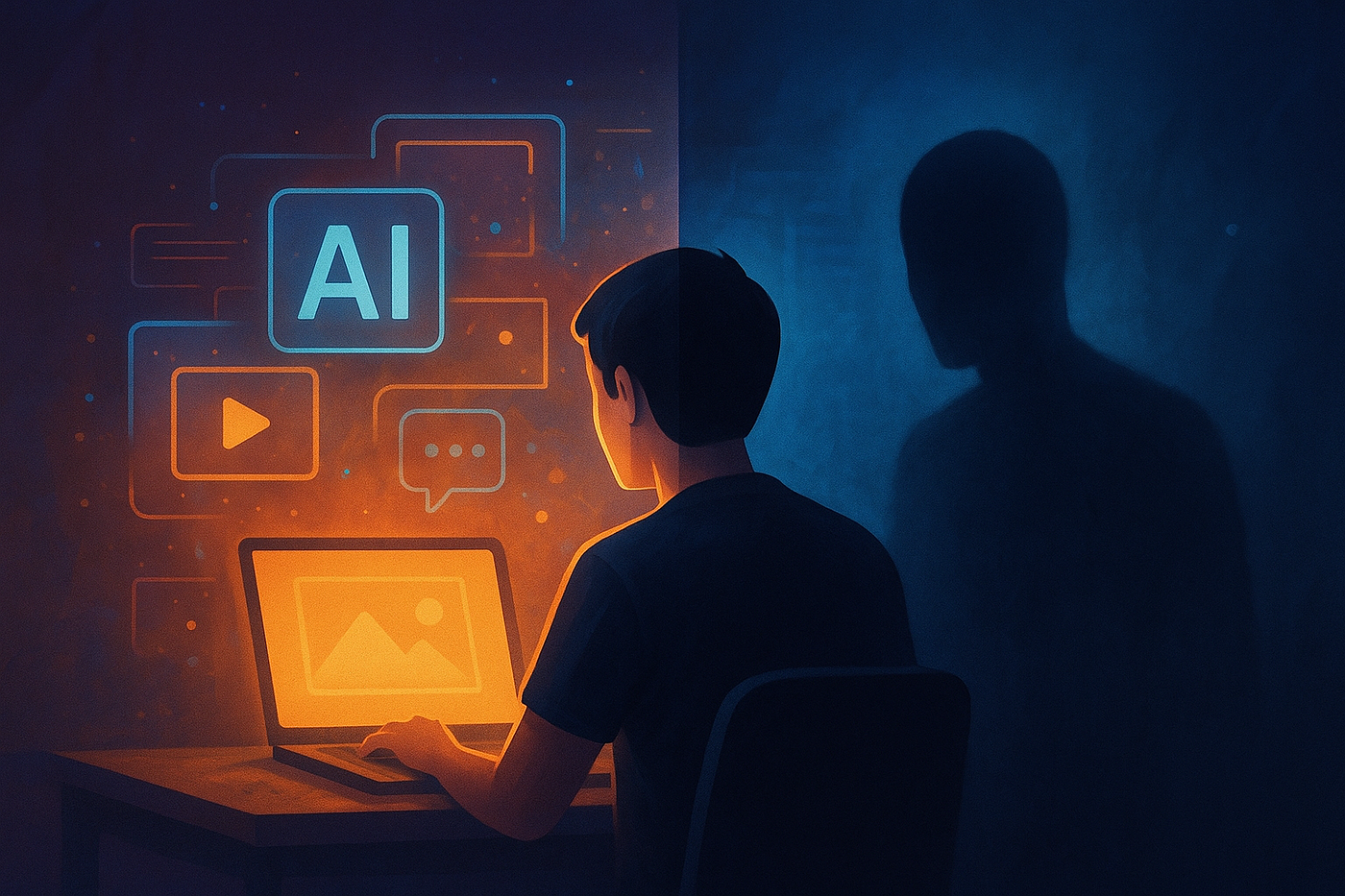


In the ever-evolving landscape of education, engaging students and maintaining their interest in lessons can sometimes prove challenging. Traditional teaching methods, while effective, may not always capture the imagination of today’s tech-savvy learners. One innovative solution that’s quickly gaining traction in classrooms worldwide is the use of AI-generated art. This cutting-edge technology allows educators to enhance learning experiences by introducing visually captivating content, fostering creativity, and stimulating student participation.
The Power of Visual Learning
Humans are naturally visual creatures, and for many students, images are more effective than text alone. Studies show that visual learners retain information better when presented with images, diagrams, and other visual stimuli. With an AI art generator, teachers can easily create custom illustrations, infographics, and even dynamic animations that align perfectly with the subject matter at hand.
For example, a history teacher could use AI to generate visual representations of ancient civilizations or historical events, allowing students to experience history in a way that books alone cannot convey. These interactive visual elements can create a more immersive learning environment, making abstract or complex ideas much easier to understand and remember.
Encouraging Student Creativity
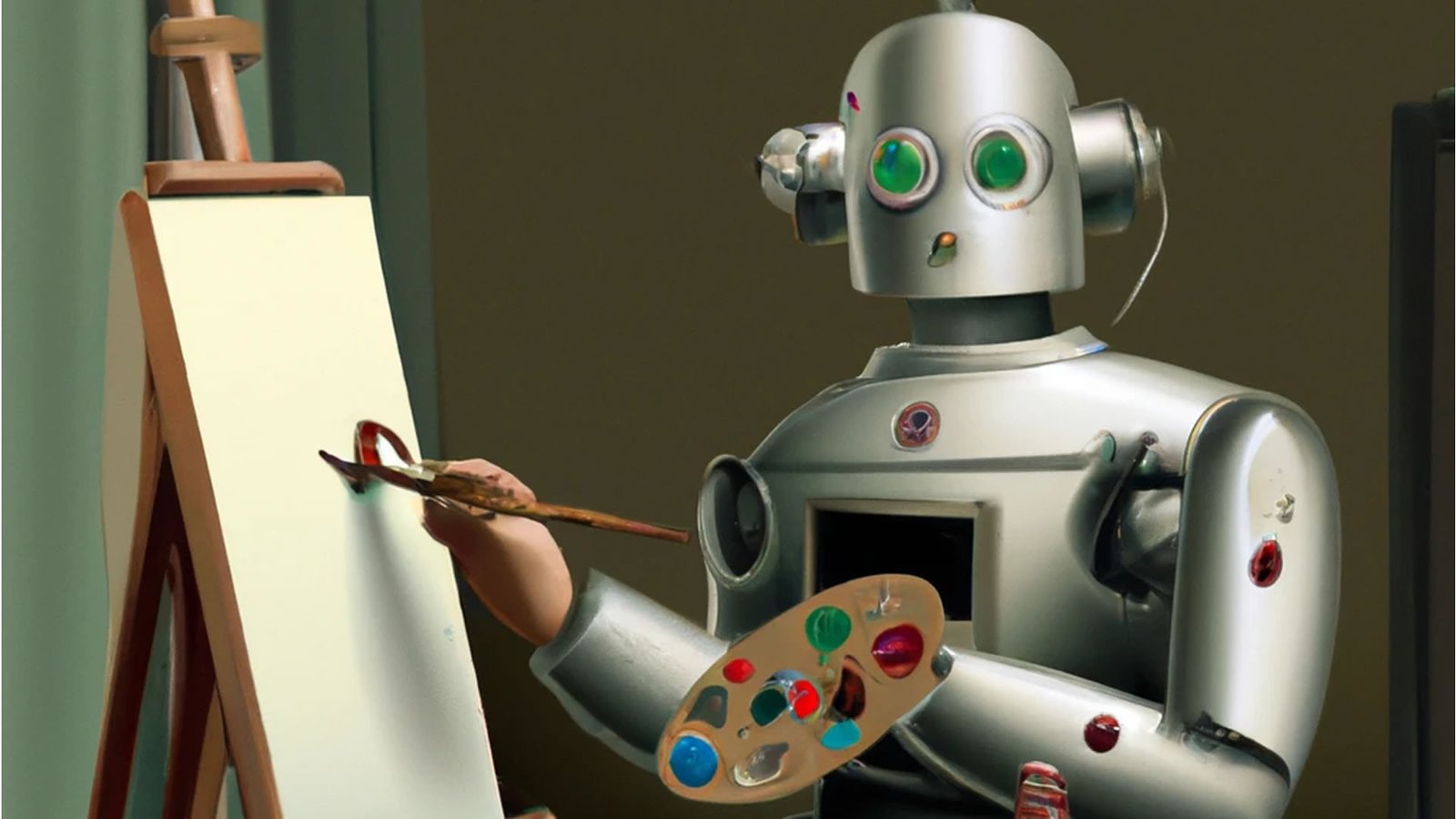
AI-generated art also offers students the opportunity to express themselves in new ways. Instead of relying solely on traditional mediums like pencils, paints, or digital design software, students can use AI to create stunning pieces of art based on their own ideas or classroom projects.
By leveraging an AI art generator, students can experiment with different styles, color palettes, and compositions without the constraints of traditional tools. This can help cultivate a sense of ownership and confidence in their creative abilities. Teachers can set up projects where students generate their own art, which is then used in collaborative assignments or displayed in virtual galleries for the class to admire.
Making Lessons More Engaging
Incorporating AI-generated art into lessons can make the learning process much more engaging. Interactive lessons, such as virtual art exhibitions, 3D model building, or collaborative art creation, allow students to become active participants rather than passive listeners. With the help of AI, students can explore different art forms, from realistic depictions to abstract art, all tailored to the specific topics they are studying.
Consider an interactive science lesson about ecosystems, where students are tasked with creating virtual plants and animals using an AI art generator. They can then place these creations in a simulated ecosystem, observing how their art interacts with the environment. This hands-on experience not only deepens their understanding of the material but also encourages critical thinking and problem-solving.
Real-Time Customization
One of the most powerful aspects of using AI-generated art in education is the ability to customize visual content in real-time. Teachers can quickly generate images or illustrations that suit the exact needs of their students, adjusting for different learning levels, subject focuses, or even personal preferences. For instance, if a student is struggling to understand a concept, the teacher can generate a clearer or more detailed visual explanation, offering a tailored solution to help them grasp the material.
The ability to rapidly adjust and create new content also allows for a more dynamic classroom. If a lesson is not resonating with students, a teacher can generate fresh visuals and ideas, keeping the learning process fluid and adaptable.
Making Art Accessible to All
Art education often requires resources that may not be available to all students or schools. Traditional art supplies can be expensive, and not all students have access to high-quality materials or the space to work creatively. With AI-generated art, students have access to virtually unlimited creative resources. They can explore different artistic techniques, experiment with various styles, and generate professional-looking artwork without needing access to expensive tools or materials.
Moreover, AI-generated art can break down barriers for students with disabilities. For students with physical limitations or those who find traditional art techniques challenging, using AI to create visual content provides an alternative method of artistic expression. This inclusive approach ensures that every student, regardless of ability, has the opportunity to engage in the creative process.
Conclusion
AI-generated art is transforming the educational landscape by making learning more interactive, creative, and accessible. Whether enhancing lesson plans, encouraging student creativity, or providing real-time customizations, AI offers countless opportunities to revolutionize the way students engage with content. By integrating an AI art generator into classrooms, educators can create a more immersive and engaging learning experience that caters to the diverse needs of today’s students.
As we continue to embrace technology in education, it’s clear that AI-generated art is not just a passing trend—it’s an essential tool that has the potential to reshape the future of learning, empowering students to think creatively, explore new ideas, and actively participate in their educational journeys.