






What is an Ostropologe?
The term “Ostropologe” is derived from the combination of Latin and Greek roots, where “ostro-” refers to shell or bone, and “-pologe” originates from the Greek word for study or discourse. Consequently, an ostropologe can be defined as a specialist who studies calcareous, bony, or shell-form structures, particularly in a biological or paleontological context. This intricate field seeks to understand not only the structural properties of these materials but also their ecological significance, historical implications, and evolutionary pathways.
In contemporary discourse, the relevance of an ostropologe extends into several professional realms, including archaeology, paleobiology, and environmental sciences. Scholars in this field play a critical role in interpreting fossil records, examining marine biology, and studying ecological systems where shells and bones serve essential functions. Their insights contribute to a broader understanding of biodiversity, ecosystem health, and even climate change, making their expertise invaluable in both academic and applied settings.
Individuals who identify as ostropologe often possess a range of skills including analytical reasoning, meticulous attention to detail, and a strong foundation in natural sciences. The ability to collaborate with multidisciplinary teams is also a hallmark of successful professionals in this area, as their research often intersects with geology, anthropology, and environmental policy. Different cultures and communities may view the role of an ostropologe through diverse lenses, celebrating their contributions to both science and heritage, while also acknowledging their vital role in education and advocacy regarding environmental stewardship.
The Importance of Ostropologe in Today’s World
The ostropologe plays a multifaceted role in addressing the numerous challenges faced by contemporary society. As experts in their fields, ostropologe contribute significantly to advancements in technology, education, and environmental science. Their insights and knowledge aid in the development of innovative solutions that tackle pressing issues, making them invaluable assets in various industries.
In the realm of technology, ostropologe have been pivotal in driving the proliferation of artificial intelligence and machine learning. By applying their unique understanding of complex systems, they have engineered smarter algorithms that optimize processes across different sectors, from healthcare to logistics. For instance, within the field of healthcare, ostropologe have collaborated with interdisciplinary teams to streamline patient data analysis, ultimately enhancing diagnostic accuracy and treatment plans.
Education is another area where ostropologe make substantial contributions. They advocate for progressive teaching methodologies, putting emphasis on experiential learning and interdisciplinary approaches. A notable example is the implementation of project-based learning initiatives in underserved communities, where ostropologe have pioneered programs that facilitate engagement and critical thinking among students. As mentors, they inspire future generations to cultivate analytical skills necessary for navigating an increasingly complex world.
Moreover, in environmental science, the work of ostropologe is crucial to combating climate change and promoting sustainability. Their research informs policy decisions and community projects aimed at conservation and resource management. A case study worth mentioning is the collaboration between ostropologe and local governments to develop urban green spaces, which not only enhance biodiversity but also improve urban residents’ quality of life through increased access to nature.
The contributions of ostropologe are undeniably vital in forging sustainable paths forward, bridging gaps across disciplines, and ultimately reshaping the future for the better. Their expertise serves as a beacon of hope for solving the complex challenges of today’s world.
How to Become an Ostropologe
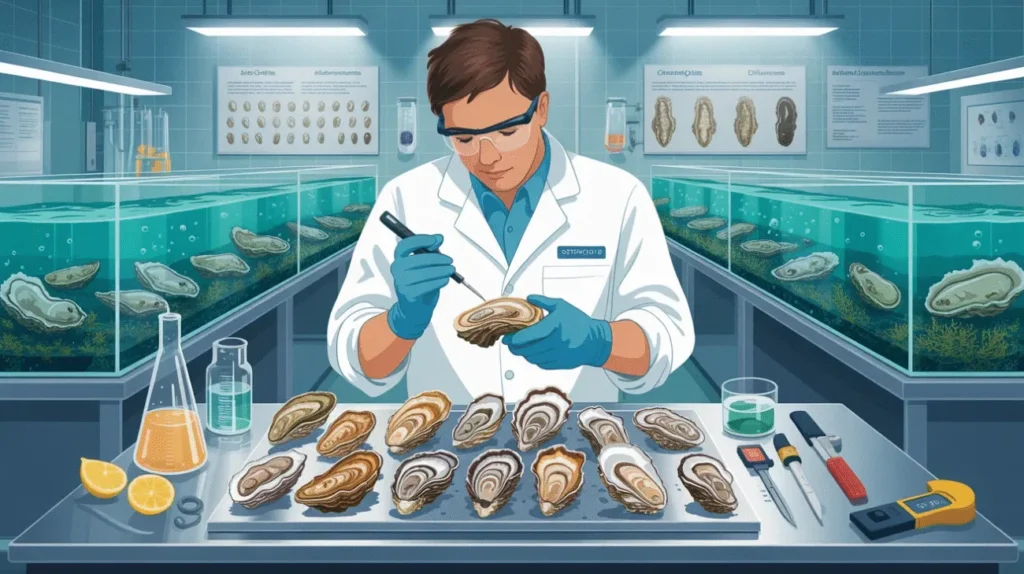
Embarking on the journey to become an ostropologe requires a strategic approach encompassing education, practical experience, and personal development. Aspiring ostropologe should begin with a solid educational foundation, typically in fields such as anthropology, archaeology, or biology. A bachelor’s degree in one of these areas provides the essential theoretical background. Some institutions may even offer specialized programs focused on the skills needed for a career in ostropologie, including data analysis and research methodology.
Advanced degrees, such as a master’s or doctoral program, can significantly enhance an ostropologe’s qualifications. These programs often include hands-on research opportunities which are crucial for skill development. Moreover, coursework that focuses on statics and fieldwork can provide practical experience applicable in real-world situations. Certifications relevant to the discipline may also facilitate career advancement and are worth pursuing to bolster credibility within professional circles.
In addition to formal education, gaining practical experience through internships, volunteer opportunities, or fieldwork is essential. Engaging in research projects, attending workshops, and participating in relevant conferences can greatly increase one’s visibility in the field. Networking with existing professionals is invaluable; establishing connections may lead to mentorship opportunities, potential collaborations, or job openings.
Beyond educational and experiential prerequisites, certain personal attributes significantly contribute to success in the field of ostropologie. Strong analytical skills, attention to detail, and a passion for discovery are crucial traits. Additionally, effective communication skills are essential for conveying research findings clearly and collaborating with fellow professionals. Continuous learning through online courses and professional associations can also contribute to an ostropologe’s development, ensuring they remain abreast of advancements in the discipline.
The Future of Ostropologe
The profession of an ostropologe, which entails the study and exploration of the complex relationships between physical and digital landscapes, is poised for significant evolution in the coming years. As advancements in technology continue to reshape societal norms and communication frameworks, the ostropologe plays a crucial role in navigating these changes. The integration of Artificial Intelligence (AI), big data analytics, and spatial computing into everyday operations can enhance the efficacy of ostropologe work, allowing for deeper insights and expanded research opportunities.
Moreover, the ongoing digital transformation across various sectors indicates that the responsibilities of ostropologe will increasingly include advocating for ethical considerations in technology deployment. With the rise of the metaverse and other virtual environments, exceptional care must be taken to ensure that developments benefit society while preventing misuse or exploitation. As societal values shift towards sustainability and inclusivity, ostropologe will be at the forefront of addressing these challenges, guiding policy-making and providing frameworks that promote positive outcomes.
Insights from industry experts suggest that as we move forward, the role of ostropologe may also expand globally, encouraging collaboration across borders. Global events, such as the impact of climate change or geopolitical tensions, further necessitate a multidimensional understanding of both physical and virtual ecosystems. As a result, the profession must adapt to fluctuating demands, requiring ostropologe to possess a broad skill set, including analytical, technological, and interpersonal skills, to effectively engage with diverse stakeholders.
In summary, the future of ostropologe is one that promises innovation and increased responsibility. By embracing technological advancements and addressing ethical considerations, ostropologe are well-positioned to influence the evolution of both physical and digital realms, ultimately contributing to a more interconnected and aware society.